Why the Internet Feels Slow Even When Your Connection Is Fast

Why the Internet Feels Slow Even When Your Connection Is Fast
You’ve probably experienced it: you pay for a blazing-fast internet plan, yet websites take their time to load, videos buffer, or emails lag before sending. It feels counterintuitive—if your connection is fast, shouldn’t everything just work smoothly? But the feeling of a “slow internet” often has more to do with what’s happening behind the scenes than with the raw speed of your broadband connection. Let’s take a closer look at why the internet can feel sluggish, even when the numbers on paper look great.
Speed Isn’t the Same as Perceived Performance
When you sign up for internet service, it’s usually advertised with a specific speed—say, 500 or 1000 Mbps. That number tells you how much data can be transferred per second, but it doesn’t tell the whole story about how fast the internet feels.
Perceived speed also depends on latency and stability (jitter). A connection can have high bandwidth, but if it takes many milliseconds before data even starts moving, it will still feel slow. Think of it like a multi-lane highway where cars have to wait a long time for the light to turn green before they can go.
Latency: The Hidden Bottleneck
Latency, measured in milliseconds, describes how long it takes for a signal to travel from your device to a server and back again. The longer the distance and the more stops along the way, the higher the latency.
- Geographic distance matters. If you’re visiting a website hosted on a server across the country—or overseas—data has to travel thousands of miles back and forth.
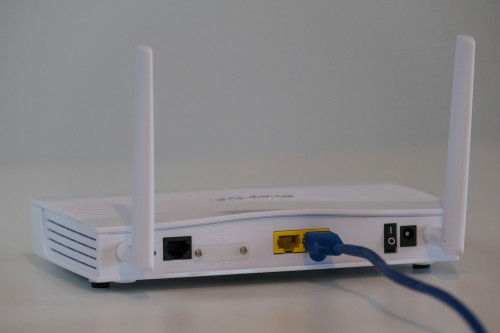
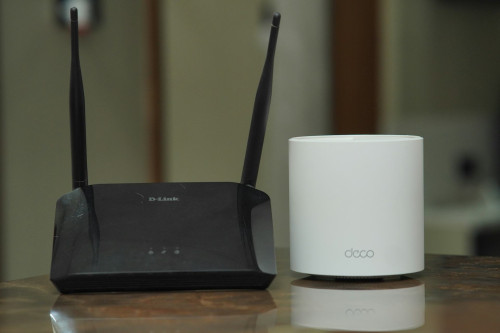
- Routers and network equipment can add delay, especially if they’re overloaded or outdated.
- Wireless connections like Wi-Fi typically have higher latency than wired ones, since the signal must pass through air, walls, and interference from other devices.
Even small delays can be noticeable, especially with interactive services like video calls, online gaming, or web searches, where you expect instant response.
Wi-Fi – The Invisible Culprit
Many people find that their internet feels slow even though a speed test shows great results. Often, the issue lies in the connection between your device and your router.
Wi-Fi signals can be weakened by walls, furniture, and other wireless devices. If you’re far from the router, the signal may jump between channels, creating tiny pauses in data transfer. That can make pages load slowly even if your broadband connection itself is fast.
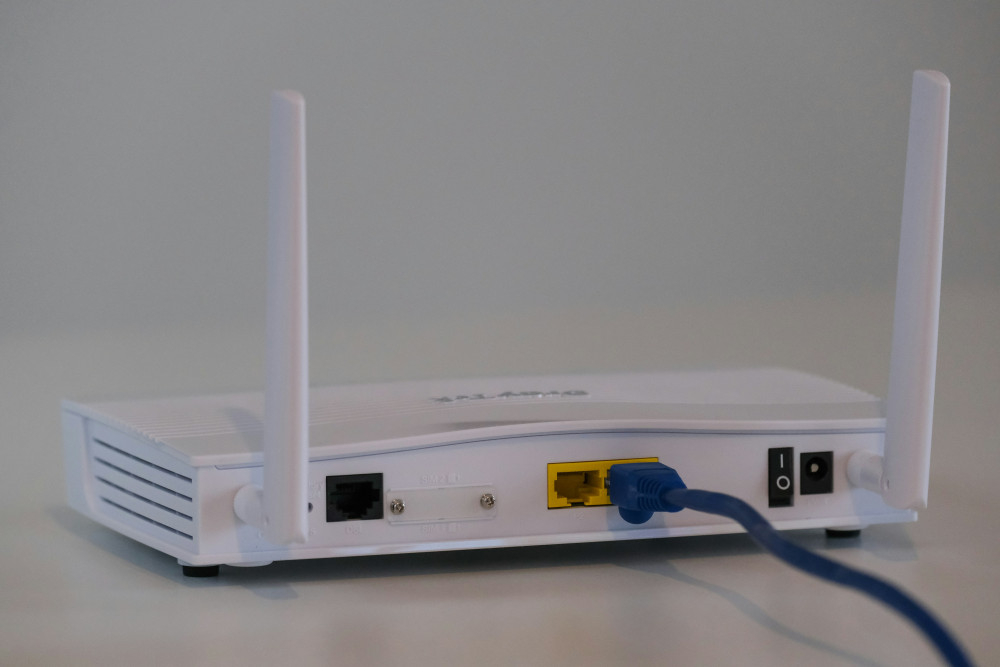
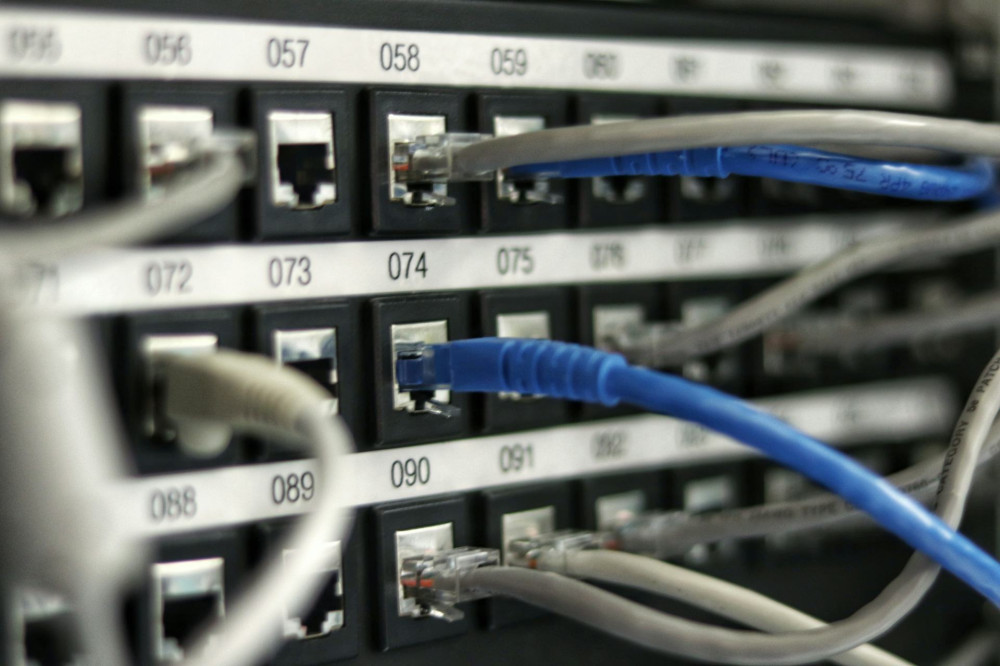
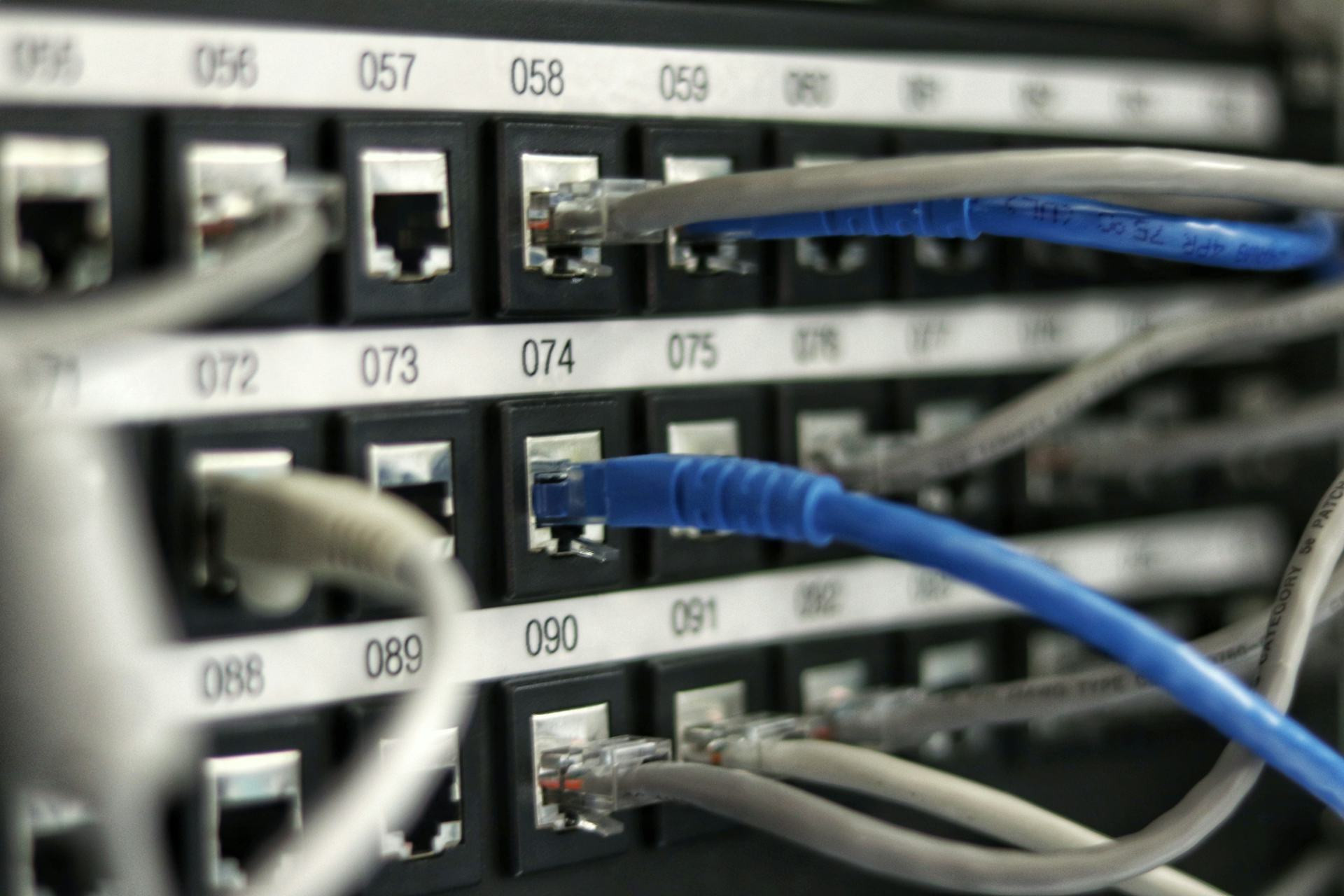
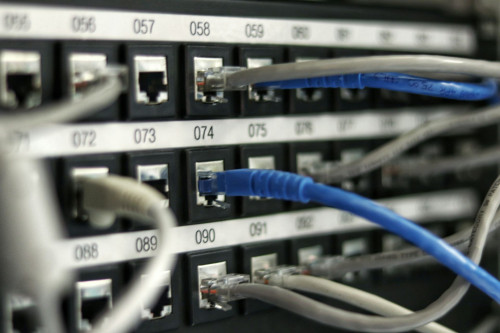
A simple test is to plug your computer directly into the router with an Ethernet cable. If everything suddenly speeds up, your Wi-Fi is the bottleneck—not your internet connection.
Home Network Congestion
In most households, the connection is shared among multiple devices: computers, tablets, smart TVs, gaming consoles, and smart home gadgets. When several people are streaming, downloading, or updating at the same time, things can get crowded.
Even with high bandwidth, your router might struggle to distribute resources efficiently. The result is that everything feels a bit sluggish. Some modern routers include QoS (Quality of Service) features that prioritize important traffic—like video meetings—over background downloads.
The Server’s Speed Matters Too
Even the fastest connection can’t make a slow server respond faster. If the website you’re visiting is hosted on an overloaded or low-cost server, it may take time before it replies. It’s like driving quickly to a busy store—you get there fast, but still have to wait in line.
Major services like YouTube, Netflix, and Google place servers close to users through content delivery networks (CDNs) to avoid this problem. Smaller websites, however, can still be slow no matter how fast your connection is.
Læs også:

Browser, Cache, and Devices
Sometimes the problem isn’t with the internet at all—it’s with your own computer or phone. A cluttered browser cache, too many open tabs, or background apps can slow things down. The same goes for older devices that can’t fully take advantage of modern network technologies.
A good routine is to clear your browser cache, restart your router, and keep your devices updated. These simple steps can often make a noticeable difference.
How to Make the Internet Feel Faster
While you can’t control everything, there are several things you can do to improve your experience:
- Use a wired connection whenever possible. It offers lower latency and more stability.
- Place your router centrally in your home and away from interfering electronics.
- Update your router’s firmware—it can fix bugs and improve performance.
- Change your Wi-Fi channel or use the 5 GHz band if there are many networks nearby.
- Check which devices are using bandwidth and limit heavy downloads while you’re working or streaming.
Fast Internet Is About More Than Numbers
When the internet feels slow, it’s rarely because your connection is truly bad. It’s often the result of many factors working together: latency, Wi-Fi quality, server performance, device limitations, and network congestion. By understanding these elements, you can better pinpoint the cause—and you might find that the solution isn’t buying a faster plan, but optimizing the one you already have.
Læs også: