Points, Badges, and Levels – How Gamification Works

Points, Badges, and Levels – How Gamification Works
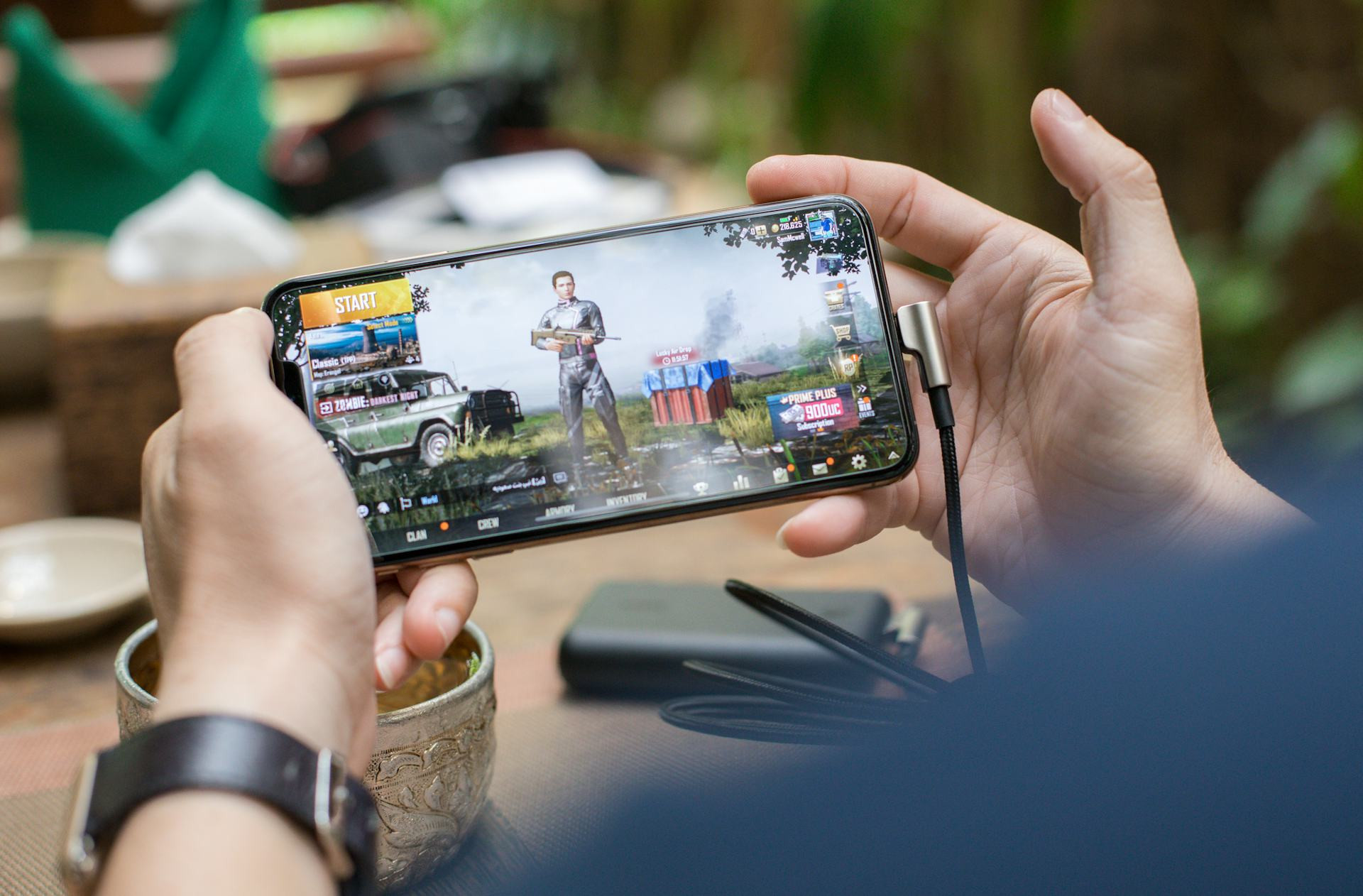
Gamification has quietly made its way into everything from fitness apps and language courses to workplaces and classrooms across the United States. But what exactly does it mean, and why is it so effective? In short, gamification is about using elements from games—like points, badges, and levels—to motivate people in situations that normally have nothing to do with gaming. It taps into our natural drive to compete, make progress, and be recognized.
What Is Gamification?
Gamification doesn’t mean turning everything into a game. Instead, it’s about borrowing the mechanics that make games engaging and applying them to other contexts. When your smartwatch gives you points for taking the stairs instead of the elevator, or when your language app shows that you’ve kept a 30-day learning streak, that’s gamification in action.
The goal is to make activities more motivating and sustainable. It can help employees complete training programs, students learn more effectively, or users return to an app day after day.
Points – The Immediate Reward
Points are the most basic form of gamification. They serve as a direct reward for an action: you do something, and you earn points. It could be anything from answering a quiz question correctly to finishing a task.
Points create a sense of progress and control. They make it visible that you’re moving forward, and they can be used to compare performance—either with yourself or with others. In many systems, points can also be exchanged for virtual perks, such as unlocking new features or advancing to the next level.
Badges – Symbols of Achievement
Badges act as small trophies that mark special accomplishments. They can be awarded for reaching specific goals—like working out five days in a row or completing a professional certification course.
Even though badges don’t always have a practical function, they have a strong psychological impact. They appeal to our need for recognition and status. Many users find satisfaction in collecting badges, especially when they can display them publicly on a profile or social media.
Levels – The Path to Mastery
Levels provide structure and direction. They show how far you’ve come and what lies ahead. When you level up, you feel a sense of improvement—and that motivates you to keep going.
In many systems, tasks become gradually more challenging as you advance. This keeps the difficulty balanced and prevents boredom. At the same time, new features or opportunities may unlock, offering an extra reward for continued effort.
Why It Works
Gamification works because it speaks to some fundamental psychological needs:
- Autonomy – the feeling of having control over your own actions.
- Competence – the experience of getting better and mastering something.
- Relatedness – the satisfaction of being part of a community or comparing yourself with others.
When these needs are met, motivation increases—both in games and in everyday activities. That’s why gamification can be such a powerful tool when used thoughtfully.
Læs også:




When Gamification Goes Wrong
While gamification can be highly effective, it’s not a magic solution. If the rewards feel artificial, or if the system focuses only on points and leaderboards, it can backfire. Users lose interest when their efforts stop feeling meaningful.
The best gamification is built on genuine motivation—where game elements support an activity that already has value. It’s not about tricking people into doing something, but about making it more enjoyable and meaningful.
Gamification in Everyday Life
You encounter gamification in more places than you might realize. Fitness trackers that show daily goals. Learning platforms that reward consistent effort. Workplaces that use points and leaderboards to boost engagement. Even banks and grocery chains are experimenting with game-like reward systems to keep customers loyal.
When used wisely, gamification can make everyday tasks more motivating—and help us stick to goals that might otherwise be hard to maintain.
Læs også: