Gaming as a Sanctuary: A Social and Mental Break in a Busy Life

Gaming as a Sanctuary: A Social and Mental Break in a Busy Life
In a world filled with deadlines, notifications, and constant demands for availability, many people look for a place to unwind. For some, it’s a jog through the park; for others, it’s gaming. Video games are no longer just for teenagers with lightning-fast reflexes—they’ve become a refuge for people of all ages, offering a space to relax, challenge oneself, and connect with others on one’s own terms.
A Digital Breather from Everyday Life
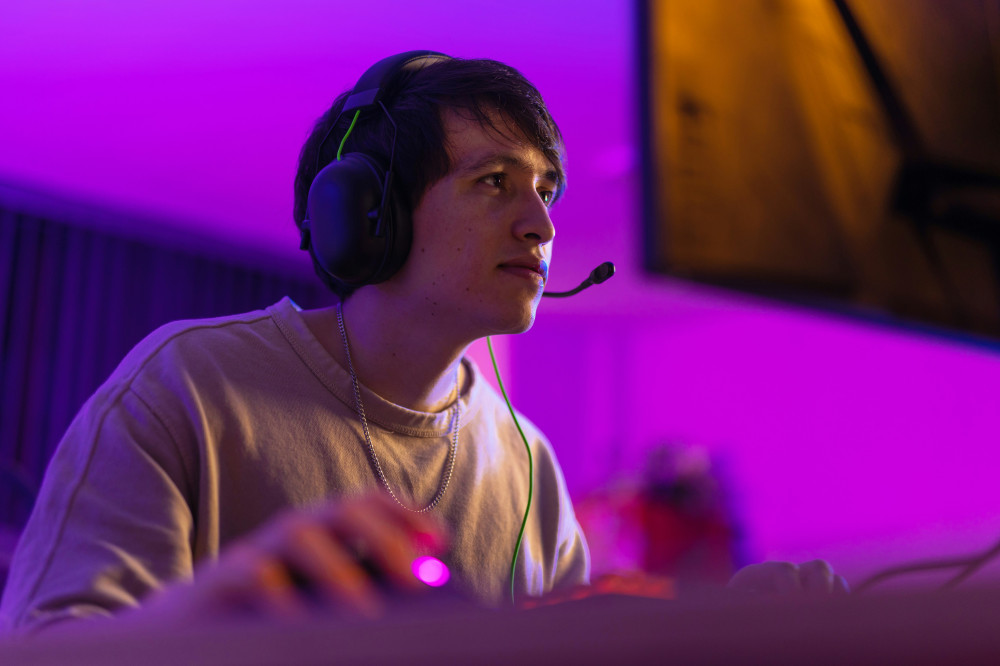
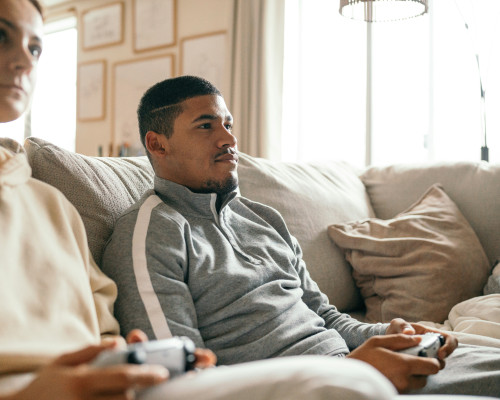
When you start a game, you step into another world. It might be an adventure across a distant galaxy, a basketball match against friends, or a calm strategy game where you build and plan at your own pace. What many players share is the feeling of being able to set aside daily worries for a while.
Research shows that gaming can have a stress-relieving effect because it allows the brain to focus on something concrete and engaging. It’s similar to reading a good book or watching a movie—but with the added twist that you’re an active part of the story.
The Social Connection in Gaming
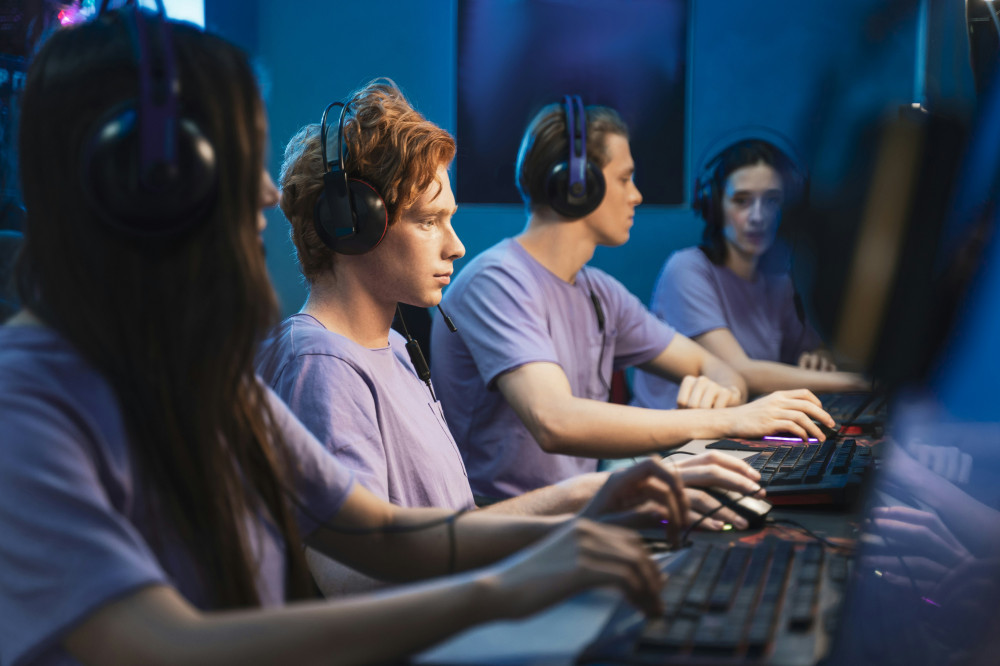
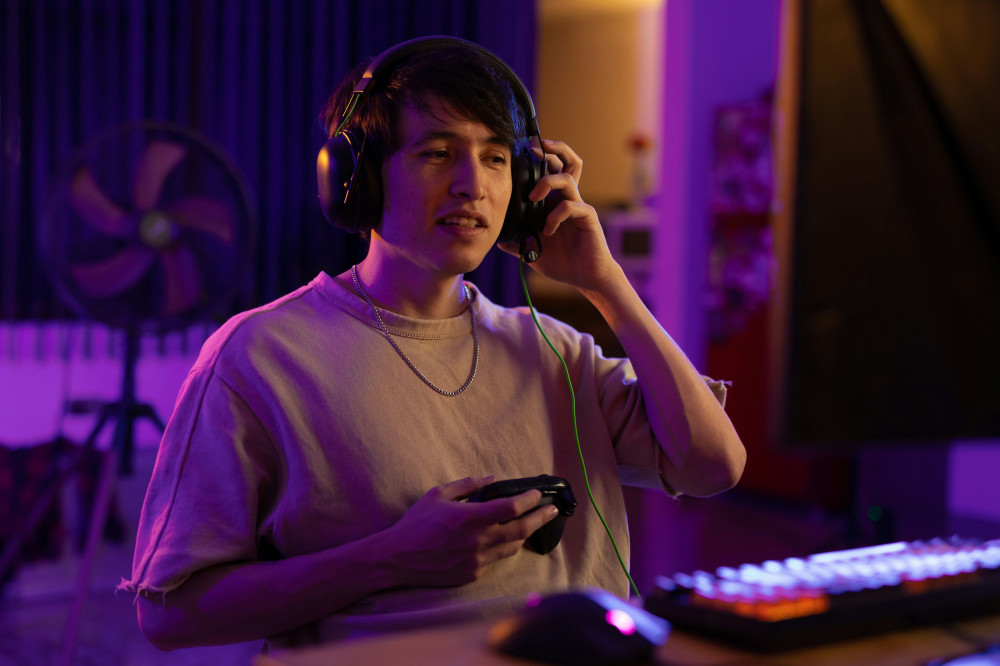
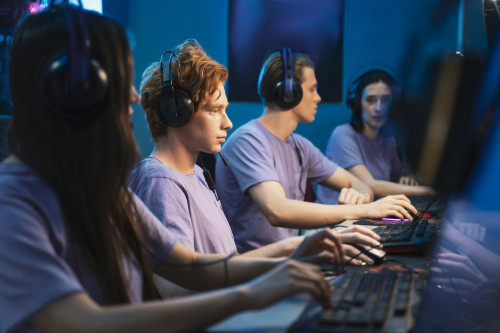
Gaming today is far more social than many realize. Online games connect people across states and countries, and many players form friendships that extend beyond the screen. For some, it’s a place to meet like-minded individuals who share their interests, humor, and play style.
Especially during times of social distancing—like during the pandemic—gaming became an important gathering point. It allowed people to meet, talk, and collaborate even when they were physically apart. This has turned gaming into a modern form of social interaction, where the sense of community is often just as important as the game itself.
A Mental Pause with Room for Focus
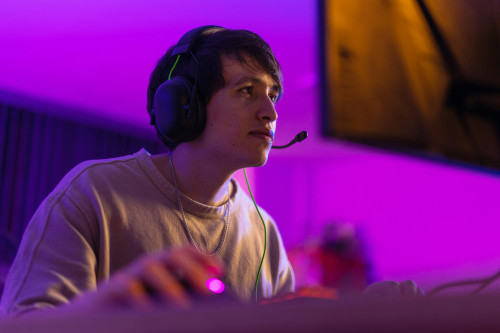
Many find that gaming provides a kind of mental calm. When you play, you become absorbed in the game’s rhythm, logic, and challenges. It can be a way to reset your thoughts—especially after a long day of work or study.
Games that require strategy, creativity, or problem-solving can also stimulate the brain in positive ways. It’s not just about winning, but about immersing yourself, learning, and improving. For some, it becomes a form of moving meditation—an activity that relaxes the body while engaging the mind.
Læs også:

Finding Balance Between Gaming and Daily Life
While gaming can be beneficial for both mental health and social connections, balance is key. Too much screen time can interfere with sleep, exercise, and other activities. That’s why it’s important to find a rhythm where gaming complements daily life rather than replaces it.
A good approach is to plan your gaming time just like any other leisure activity. That way, gaming becomes a conscious break—a moment you allow yourself to relax without letting it take over.
Gaming as Part of Modern Life
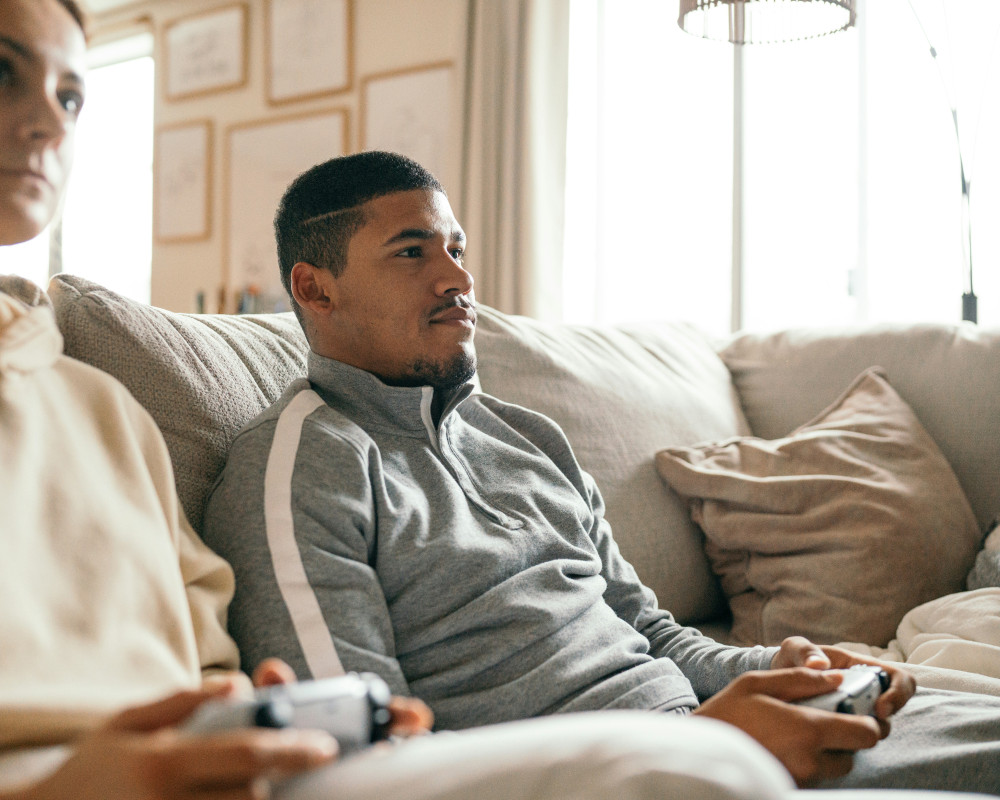
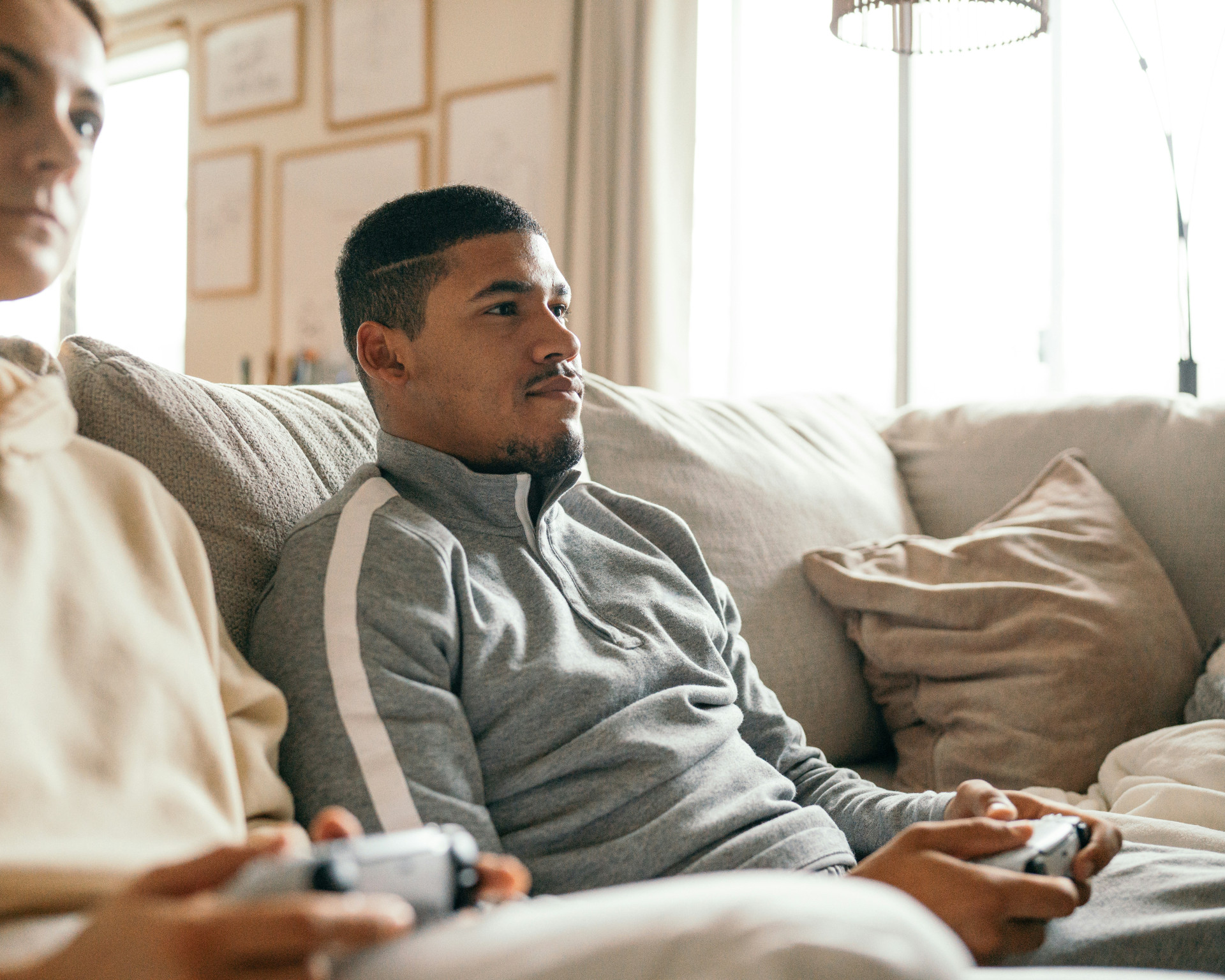
Today, gaming is a natural part of many people’s lives—on par with watching shows, playing sports, or reading. It’s a space for creativity, self-expression, and community. For some, it’s about competition and achievement; for others, it’s about relaxation and fun.
No matter how you play, it’s clear that gaming can be much more than just entertainment. It can be a sanctuary—a place where you can be yourself, unwind, and recharge for the demands of everyday life.
Læs også: